
world news
The Tom Cruise Connection: How a Cut Character Inspired Patrick Bateman in American Psycho
Apr
Introduction: Tom Cruise’s Unseen Influence in American Psycho
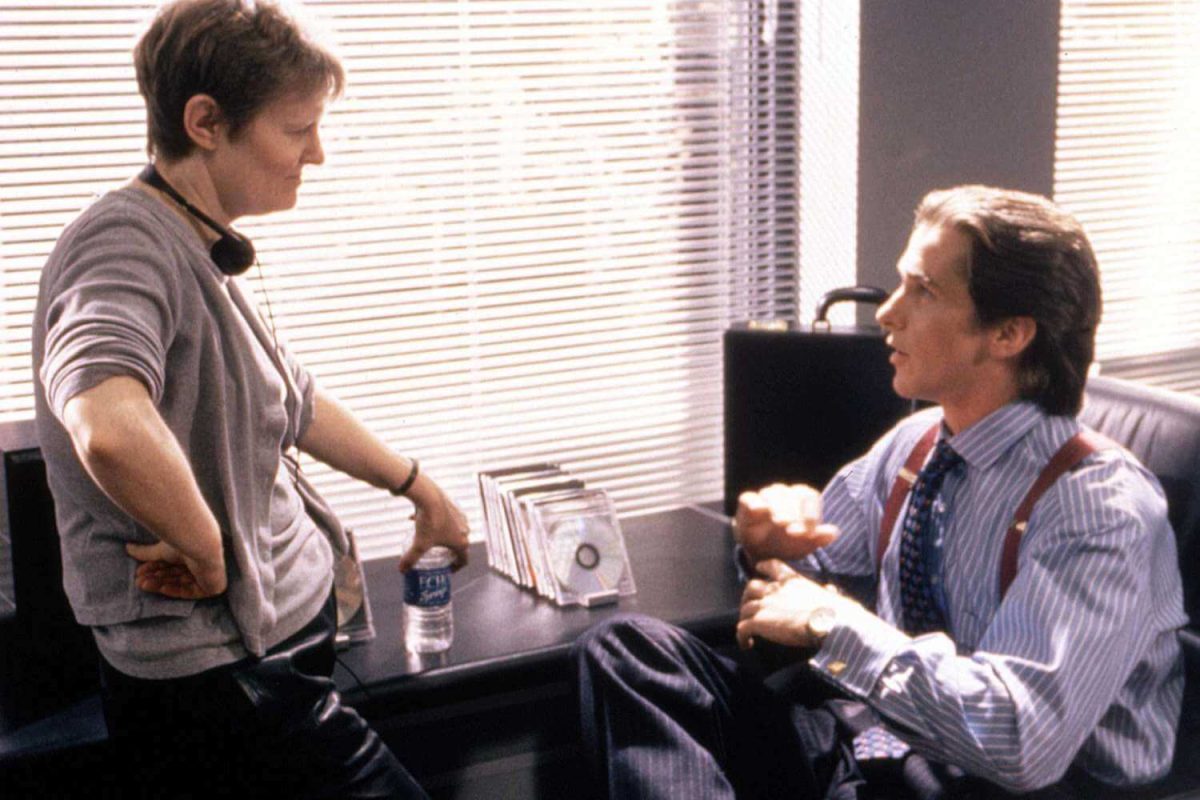
The 2000 film American Psycho, based on Bret Easton Ellis’ controversial novel, remains one of the most chilling explorations of vanity, consumerism, and violence in modern society. While Christian Bale’s portrayal of Patrick Bateman became the centerpiece of the film, a surprising connection to Tom Cruise, one that was never fully realized on screen, looms large in the film’s portrayal of the character. Although Cruise was slated to play a role in the film, his character was ultimately cut from the production, yet his influence still managed to seep into the very fabric of Bateman’s persona. In a fascinating behind-the-scenes revelation, director Mary Harron and actor Christian Bale revealed how Cruise’s demeanor and on-screen presence helped inspire the eerily vacant characteristics of Bateman’s character, giving the film an added layer of authenticity.
The Tom Cruise Character That Never Was
Tom Cruise was initially supposed to appear in American Psycho as a character who shared an apartment building with Patrick Bateman. In Bret Easton Ellis’ novel, this brief encounter is captured during a moment of uncomfortable social interaction between the two men in an elevator. Bateman, unable to truly connect with anyone due to his narcissistic and psychopathic nature, finds himself trapped in an awkward exchange with Cruise, who Bateman refers to as being much shorter in person. The scene is an excellent example of how Ellis’ novel deftly plays with the dissonance between Bateman’s obsession with appearances and his total lack of real human interaction.
However, despite the crucial role this scene played in the narrative, Cruise’s character was ultimately scrapped from the film. Director Mary Harron, in a recent interview, admitted that she and her team had loved the idea of having Cruise in the film but joked that they “would never have gotten Tom Cruise to be in such a heinous production as American Psycho.” Despite this, Cruise’s invisible presence in the film left a mark. His subtle, iconic portrayal of the ever-polished but emotionally hollow character archetype informed the essence of Bateman’s character, helping to shape the direction of the performance.
Christian Bale’s Discovery: A Talk Show Moment That Changed Bateman
Christian Bale’s portrayal of Patrick Bateman is lauded for its unsettling and eerie precision. The character is a polished, wealthy, and well-dressed New York banker, obsessed with his appearance and social status, yet underneath the surface, he is capable of horrific acts of violence. According to Bale, a pivotal moment came when he saw Tom Cruise on a talk show during the early stages of his research for Bateman. Bale described being struck by Cruise’s demeanor, particularly the way he exuded an unsettling charm with “almost nothing behind the eyes.” This observation became a crucial influence on how Bale approached the portrayal of Bateman.
Bale’s inspiration from Cruise was not necessarily about mimicking Cruise’s actions but capturing the emptiness and affectation that characterized the actor’s public persona. The idea that Cruise’s outward charisma masked an almost complete lack of genuine human emotion perfectly mirrored Bateman’s personality, where charm and smoothness were mere facades to hide his violent tendencies and internal turmoil. By incorporating this into Bateman’s performance, Bale successfully portrayed the character as someone who seemed superficially perfect but was deeply empty inside—a dangerous, all-American individual hiding a psychotic mind.

Tom Cruise and Bateman: A Dissonance Between Image and Reality
Though Tom Cruise never made it into American Psycho, the reference to him in Ellis’ novel is an essential part of understanding Bateman’s psyche. The awkward interaction between Bateman and Cruise in the elevator is a brilliant commentary on the dissonance between public image and inner truth, a central theme of American Psycho. In the novel, Bateman’s attempt to compliment Cruise on his movie Cocktail, only to be corrected about the film’s name, shows his obsession with perfection and control. Even in moments of social interaction, Bateman is unable to connect authentically, and this scene serves as a metaphor for his shallow relationships with others.
This interaction also highlights Bateman’s constant need for validation. The idea that a person like Cruise, who is so frequently placed on a pedestal by society, would have no interest in engaging with someone like Bateman underscores the latter’s internalized insecurities. Cruise’s presence, though not directly seen, serves as a tool for Ellis and the film to contrast Bateman’s delusions of grandeur with the cold reality of his life—where even his supposed peers do not see him as important.
The Legacy of the Unseen Character: Bateman’s Influence on Pop Culture
Although Tom Cruise never appeared in American Psycho, his unseen presence has nonetheless had a lasting effect on how Bateman is perceived in popular culture. Bateman’s character, much like the persona Cruise presents in many of his films, became a symbol of superficiality, narcissism, and a deep emptiness masked by wealth and success. The success of American Psycho has ensured that Bateman remains a defining character in discussions of the 1980s’ corporate culture and the rise of consumerist excess, where appearances often take precedence over substance.
Moreover, Bateman’s influence on pop culture is undeniable, with his catchphrases, the iconic scene of him wielding an axe, and his meticulous attention to detail becoming synonymous with the film. Just as Tom Cruise’s public persona often represents a certain polished, almost-too-perfect image, Patrick Bateman has come to symbolize the darker side of this public façade—the individual so consumed with their outward appearance that they lose touch with any real human emotion or connection. As a result, the character has permeated pop culture, representing a cautionary tale of narcissism, materialism, and the consequences of prioritizing appearance over substance.
Conclusion: The Enduring Impact of Tom Cruise on American Psycho
Even though Tom Cruise’s character was ultimately cut from the film, his influence on American Psycho and Patrick Bateman’s development cannot be overstated. From the novel’s references to Cruise’s public persona to Christian Bale’s inspired performance, the presence of Cruise—though never physically realized on screen—shaped the narrative and provided the foundation for one of the most memorable characters in modern cinema. Through Bale’s meticulous work and Cruise’s subtle impact, Patrick Bateman became a character who represents the dissonance between surface-level perfection and deep-seated emptiness. The influence of Tom Cruise, both in terms of public perception and performance style, continues to resonate in the world of American Psycho, making it a film that remains relevant for discussions of the interplay between identity, appearance, and reality in our modern world.
From lydiancustomtee
